A Korean beauty (K-Beauty) skincare routine is a step-by-step way to care for your skin using gentle, layered products. It usually includes double cleansing, a toner, an essence, a serum, a moisturizer, and sunscreen. The main goal is not to hide skin problems with makeup. The goal is to make your skin healthy from the start.
You may have heard the term "K-Beauty" online or seen it on skincare shelves. It is not just a trend. It is a full way of thinking about skin care that started in South Korea and is now loved around the world, including here in Kuwait. At Al Nasaem, we get asked about K-Beauty products almost every week, so we put together this simple guide to help you understand what it is and how to start.
What Is K-Beauty, Really?
K-Beauty stands for Korean Beauty. It is a skincare style that focuses on gentle, consistent care instead of harsh, quick fixes. Instead of one heavy cream doing everything, K-Beauty uses several light products, each with one clear job. This layering method helps your skin absorb more, without feeling greasy or heavy.
This idea did not appear overnight. It grew out of a culture in South Korea where skin care is treated as a daily habit, almost like brushing your teeth. Skin is not seen as something to fix only when there is a problem. It is cared for every single day, even when nothing looks wrong. This is the biggest mindset shift for beginners. Instead of reaching for products only during a breakout, you build a routine that keeps your skin strong before problems start.
K-Beauty vs. a Regular Skincare Routine
Many people already cleanse, moisturize, and use sunscreen. So what makes K-Beauty different?
- More steps, but lighter products. Instead of one heavy moisturizer, K-Beauty spreads hydration across several thin layers. Each layer absorbs before the next one goes on, so skin never feels weighed down.
- Focus on hydration first, treatment second. Many routines jump straight to strong acne or anti-aging products. K-Beauty builds a strong, hydrated skin barrier first. A healthy barrier makes every other product work better.
- Prevention over correction. The goal is to stop problems like dryness, dullness, and early fine lines before they start, not just treat them after they appear.
- Gentle ingredients. Korean formulas often avoid harsh alcohol and strong fragrance, which lowers the chance of irritation, redness, or sensitivity.
None of this means your old routine was wrong. It just means K-Beauty adds structure and a few extra steps that can make a real difference over time.
Why K-Beauty Works in Kuwait's Heat
Many people think Korean skincare is only for cold, dry weather. That is not true. The light textures used in K-Beauty are actually a good match for Kuwait's hot weather. Heavy creams can feel sticky in the heat. Lighter gels and essences absorb fast and do not clog pores as easily. That is one reason K-Beauty products have become so popular in Gulf countries, including Kuwait.
The Real K-Beauty Routine, Step by Step
You do not need all 10 steps every day. Here are the core steps that matter most.
Step 1: Oil Cleanser (Night Only)
This first cleanse removes makeup, sunscreen, and oil-based dirt from the day. Use it only at night.
Step 2: Water-Based Cleanser
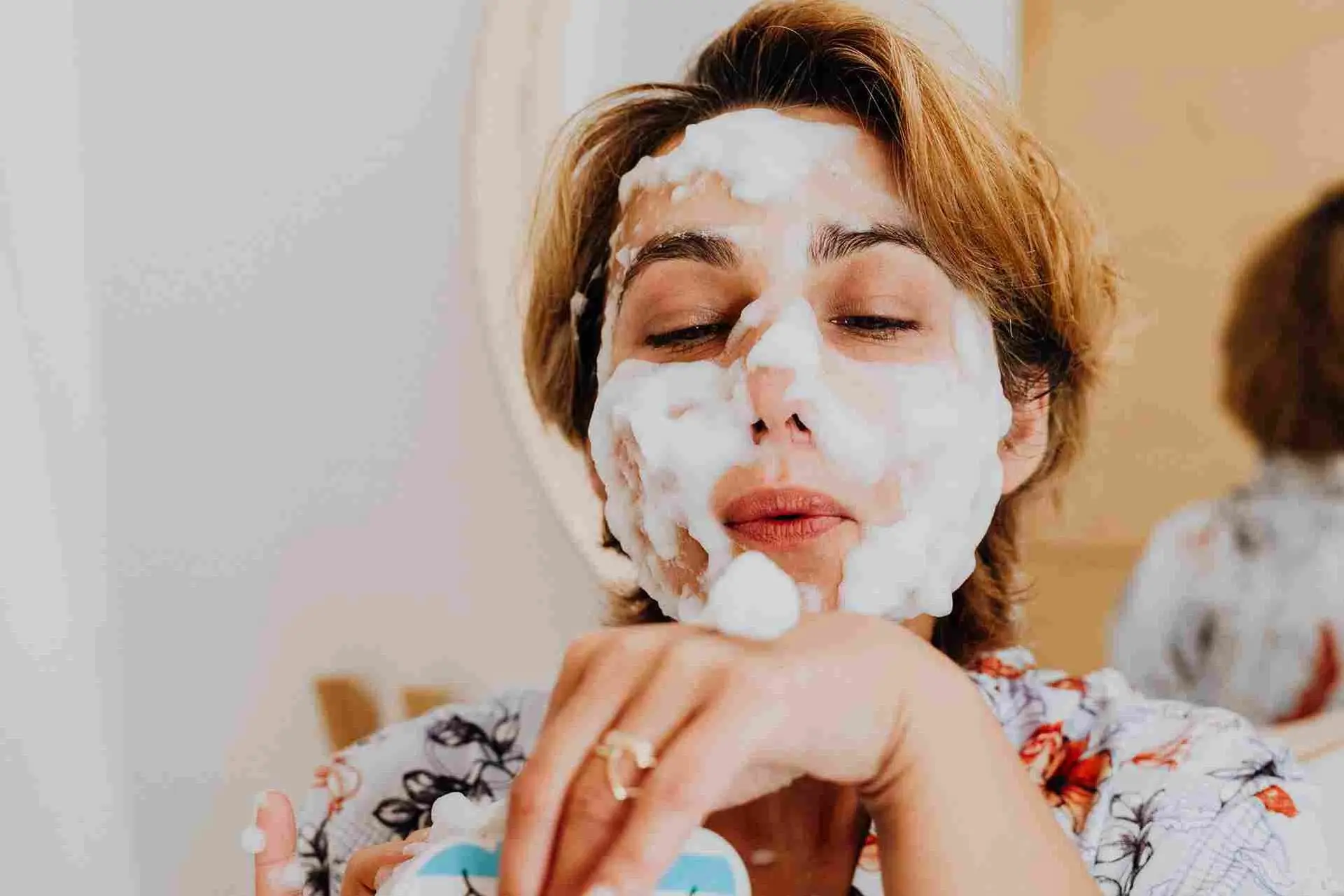
This is called "double cleansing." After the oil cleanser, use a gentle foam or gel cleanser to clean away sweat and leftover dirt. Use this step morning and night.
Step 3: Toner
Korean toners are not like old-style toners that dry out your skin. They are made to add moisture back and prepare your skin for the next steps.
Step 4: Essence
This is the step most people outside Korea have never heard of. An essence is a light, watery product that adds hydration and helps your skin repair itself. Think of it as a bridge between toner and serum.
Step 5: Serum or Ampoule
This step targets specific problems, such as dark spots, fine lines, or acne. Serums are stronger and more concentrated, so a little goes a long way.
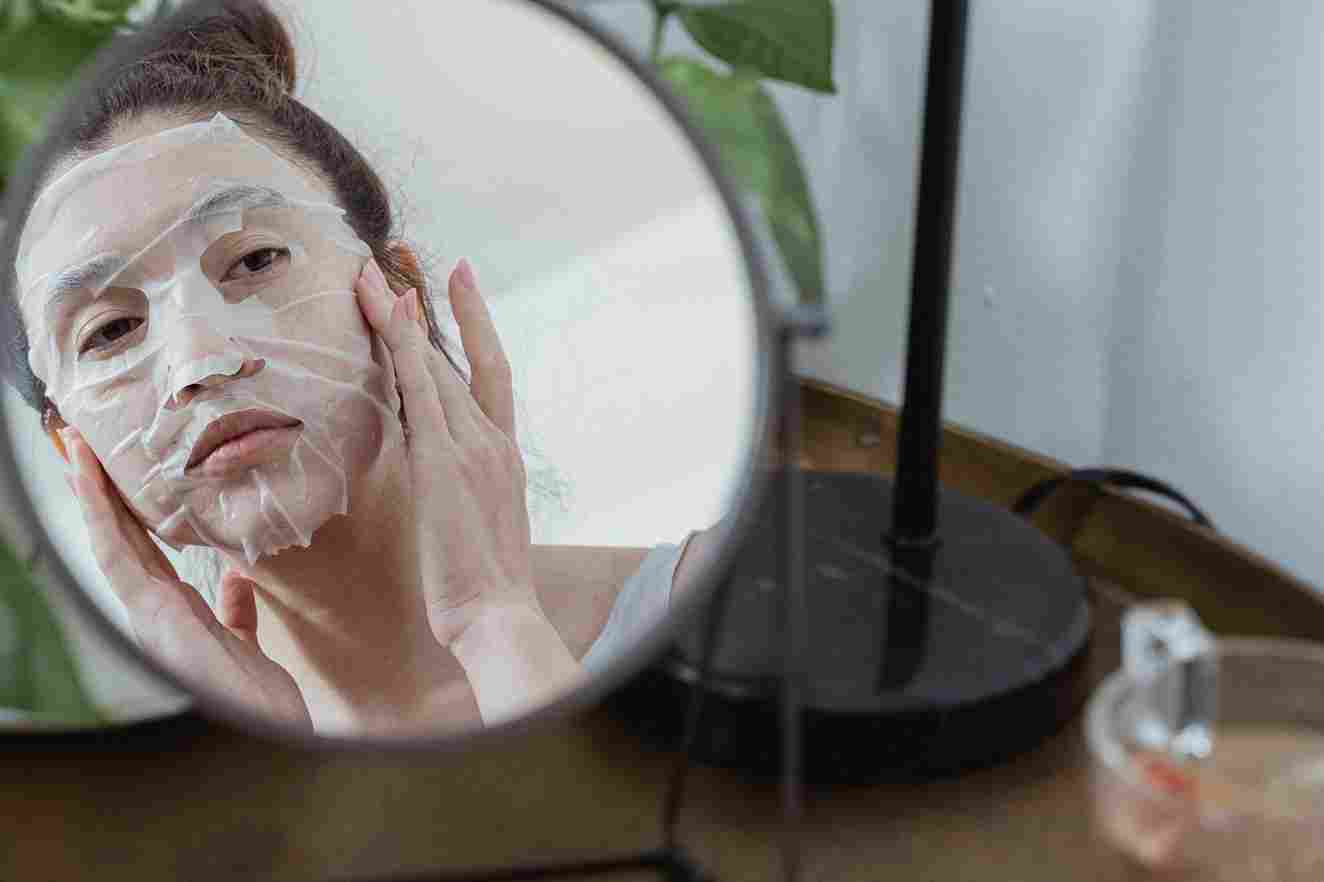
Step 6: Sheet Mask (2–3 Times a Week)
Sheet masks give your skin a short burst of deep hydration. They are not needed every day, but using one a few times a week can make a real difference.
Step 7: Eye Cream
The skin around your eyes is thinner and needs its own gentle product.
Step 8: Moisturizer
This step seals in everything you just applied. Choose a gel moisturizer in summer and a slightly richer cream in cooler months.
Step 9: Sunscreen (Morning Only)
This is the most important step of all. Korean sunscreens are famous for feeling light, not greasy, and not leaving a white cast. Never skip this step, especially in Kuwait's strong sun.
Popular K-Beauty Ingredients Explained
Korean skincare labels often list ingredients you may not recognize. Here is a simple breakdown of the most common ones, so you know what you are actually buying.
- Snail Mucin — Sounds unusual, but it is one of the most loved K-Beauty ingredients. It helps repair skin, adds moisture, and can calm redness or irritation.
- Centella Asiatica (Cica) — A calming plant extract used to soothe sensitive or irritated skin. Great for anyone dealing with redness or breakouts.
- Niacinamide — Helps control oil, fade dark spots, and even out skin tone. Works well for both oily and dry skin types.
- Rice Water / Rice Extract — Known for brightening dull skin and giving a soft, smooth texture over time.
- Hyaluronic Acid — A hydration powerhouse. It holds water in the skin, which is why K-Beauty products often feel light but still deeply moisturizing.
- Propolis — Made by bees, this ingredient has calming and healing properties, often used in essences and serums for sensitive skin.
You do not need to memorize this list. Just check the first few ingredients on a product label — that tells you what the product is mainly built to do.
Day Routine vs. Night Routine
A common beginner question is whether the morning and night routines are the same. They are not, and the difference matters.
Morning routine should focus on protection. Cleanser, a light toner, a lightweight moisturizer, and — most importantly — sunscreen. The goal in the morning is to prepare your skin for the day ahead and shield it from sun and pollution.
Night routine should focus on repair. This is when you double cleanse, use stronger serums or treatment products, and apply richer creams. Skin naturally repairs itself while you sleep, so night is the best time to use active ingredients like retinol or stronger acne treatments, if your skin needs them.
Building a Routine for Your Skin Type
K-Beauty is not one-size-fits-all. Here is how to adjust the routine based on your skin type.
Oily or acne-prone skin: Choose gel-based cleansers and lightweight, oil-free moisturizers. Look for niacinamide and tea tree extract in your serum. Skip heavy creams, even at night.
Dry skin: Focus on the essence and serum steps — do not skip them. Add a richer night cream and consider a hydrating sheet mask 2 to 3 times a week instead of once.
Combination skin: Use lighter products on the T-zone (forehead, nose, chin) and slightly richer products on the cheeks. Gel moisturizers usually work well across the whole face.
Sensitive skin: Look for centella asiatica, propolis, and fragrance-free formulas. Introduce one new product at a time and wait a week before adding another, so you can spot any reaction early.
A Simple 5-Step Starter Routine
If 9 steps feel like too much, start small. Here is a simple version:
- Cleanser
- Toner
- Serum
- Moisturizer
- Sunscreen (morning only)
You can add more steps later, once this feels normal.
How to Layer Products the Right Way
Layering order matters more than most people think. Applying products in the wrong order can stop them from working properly. The simple rule is: thinnest texture first, thickest texture last.
- Cleanser
- Toner
- Essence
- Serum or ampoule
- Sheet mask (if using one that day)
- Eye cream
- Moisturizer
- Sunscreen (morning only)
After each step, gently pat the product into your skin with your fingertips instead of rubbing. Wait 30 to 60 seconds before applying the next product. This gives your skin time to absorb each layer properly before the next one goes on.
How Long Before You See Results?
This is one of the most searched K-Beauty questions, and the honest answer is: it depends on the goal.
- Hydration and glow — Often noticeable within 1 to 2 weeks of consistent use.
- Fading dark spots or acne marks — Usually takes 4 to 8 weeks, since skin renews itself on a cycle of about a month.
- Fine lines and deeper concerns — Can take 8 to 12 weeks or longer, and results are more gradual.
The biggest factor is not the products themselves — it is consistency. A simple 5-step routine used daily will outperform an expensive 10-step routine used only occasionally.
Common Mistakes Beginners Make
- Skipping sunscreen — This undoes almost all the good work from other steps.
- Using too many new products at once — Add one new product at a time so you can see how your skin reacts.
- Applying products in the wrong order — Always go from the lightest texture to the heaviest.
- Expecting overnight results — K-Beauty is about slow, steady care, not instant change.
How to choose the Right Products for Your Skin
Not every product works for every skin type. If you have oily skin, look for gel textures and light serums. If your skin feels dry or tight, look for richer creams and hydrating essences. If you are not sure where to start, the team at Al Nasaem can help you pick products that match your skin type and Kuwait's climate.
A Korean beauty routine is not about buying 10 products at once. It is about understanding what your skin needs and giving it gentle, steady care. Start small, be consistent, and let your skin adjust over time. Whether you are completely new to skincare or want to upgrade your current routine, K-Beauty offers a simple, effective path to healthier skin.
Shop our full range of Korean beauty products and skincare essentials at Al Nasaem, with fast delivery across Kuwait.
Frequently Asked Questions
1. What is K-Beauty skincare?
K-Beauty is a Korean skincare method that uses light, layered products like cleansers, toners, essences, and sunscreen to keep skin healthy and hydrated, rather than covering problems with heavy makeup.
2. Is K-Beauty good for hot weather like Kuwait?
Yes. K-Beauty products are usually light and fast-absorbing, which makes them comfortable to wear in hot, humid weather without feeling greasy.
3. Do I need all 10 steps every day?
No. Beginners can start with 5 basic steps: cleanser, toner, serum, moisturizer, and sunscreen. You can add more steps later.
4. What is the difference between a toner and an essence?
A toner preps and hydrates the skin after cleansing. An essence is a lighter, watery product used after toner to add extra hydration and support skin repair.
5. Can K-Beauty products help with acne or dark spots?
Yes. Serums and ampoules are designed to target specific issues like acne, dark spots, and fine lines. Choose a serum with ingredients suited to your specific skin concern.